


- View
-
 View Sightseeing Hands-on Experiences
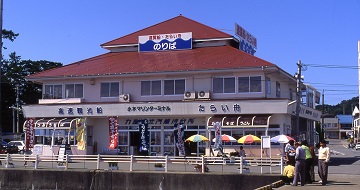
Taraibune Rikiya Kanko Kisen
Rikiya Kanko Kisen" is Sado's famous tarai boats. The boat is skillfully operated by a female boatman, inviting a sense of travel. Motorboats are also exhilarating, and Sado's version of the "Blue Cave" tour is also gaining popularity. There is a large parking lot, a store, and a light lunch available, so feel free to enjoy the boat tour.
Minami Sado area -
 View Sightseeing History and Culture
Site of the Former Kitazawa Floating Concentrator
The Kitazawa district of Aikawa is home to a dense cluster of facilities (designated as a National Historic Site) that contributed to the modernization of the mine, including a power plant and a thickener. The flotation process—a technique originally used in copper production—was adapted for the extraction of gold and silver, marking the first successful practical application of this method in Japan.Large-scale capital investment was made as part of wartime plans for massive production increases, and because the facility could process up to 50,000 metric tons of ore per month, it was hailed as “the best in the Orient.” The site is currently illuminated during the tourist season.
Aikawa area -
 View Sightseeing Hands-on Experiences
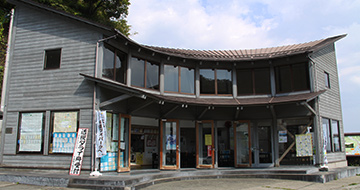
Yajima Taiken Koryukan (experience & exchange centre)
Yajima Taiken Koryukan is nestled at the back of a cove with a view of Yajima and Kyojima. You can enjoy a tub-boat ride in the picturesque scenery of the Sado Geopark and Sado-Yahiko-Yoneyama Quasi-National Park. The centre also offers an array of workshops such as fishing from the rocky shore, dried squid making and soba (buckwheat noodles) making. (Please contact the centre for details.) At the eatery, you will experience the delights of soba and udon noodles with nagamo seaweed.
Minami Sado area -
 View Sightseeing
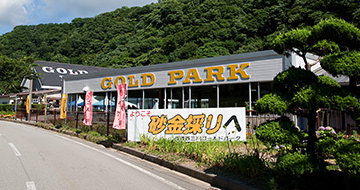
Sado Nishimikawa Gold Park
This hands-on museum is located on the site of the "Nishi-Mikawa Gold Mine," said to be the oldest in Sado. Anyone can easily try their hand at "gold panning."The gold you pan can be crafted into items such as keychains or pendants (for a fee). The museum also features an exhibition hall detailing the history of gold, as well as a gift shop selling original merchandise, including sweets and precious metals.
Kuninaka area -
 View Sightseeing Hands-on Experiences Nature and Best Views
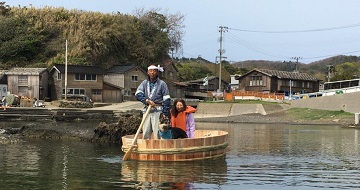
Shukunegi Hangiri
At zero meters above sea level, glide through a world of handmade hangiri (tub boats). Since ancient times, the hangiri has been an essential fishing tool for the people of the Ogi Peninsula. Each boat is handcrafted using only cedar and bamboo, nurtured by the nature of Sado Island. With the historic streets of Shukunegi behind you—where time seems to have stopped in the Edo period—the boat drifts leisurely among otherworldly rock formations shaped by the earth over millennia. This eco-friendly slow cruise is guided by a local boatman who speaks the Ogi dialect (Ogi-ben).
Minami Sado area -
 View Sightseeing History and Culture
Historic Site Sado Kinzan Gold Mine
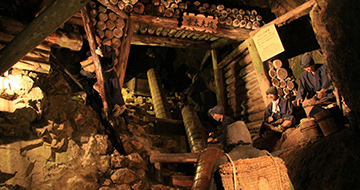
Sado Kinzan Gold Mine is a collection of historic relics which tell the 400-year history of Sado's gold and silver mines. On the Sodayu Tunnel, full-size dolls and robots provide accurate presentations of the workings of the mines in the past. On the Doyu Tunnel, relics of modernization and industrialization still remain. In addition, industrial heritage sites such as "the best ore dressing plant in the East" and "Japan's first Western-style vertical shaft" are preserved in good condition in the surrounding area, surprising visitors with their grand scale.
Aikawa area -
 View Sightseeing
Toki no Mori Park
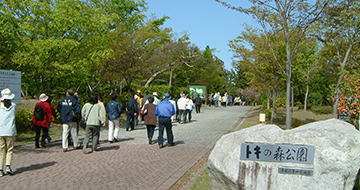
There are several facilities dedicated to the crested ibis scattered throughout the area. The “Crested Ibis Museum” features a wide range of exhibits on conservation, breeding, and reintroduction into the wild. The “Crested Ibis Interaction Plaza” is a popular spot where visitors can get a close-up view of crested ibis kept in enclosures. We also recommend taking a stroll through the park to see the memorial monument honoring “Kin,” the last crested ibis native to Japan.The “Edamame Soft-Serve,” made with Sado-grown edamame and sold at the gift shop, is also a popular treat.
Kuninaka area -
 View Nature and Best Views
Ryuodo Cave
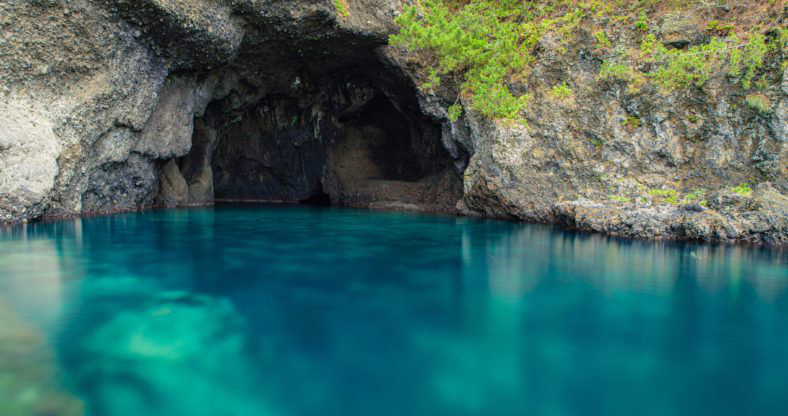
Just one among the rich variety of Kotoura caves, Ryuodo Cave is called "Sado's Blue Grotto," and is the largest lava rock cave on the island. Like the Blue Grotto in Italy, the sunlight creates a beautiful blue reflection and the waters glow brilliantly on days of mild weather and sea conditions. Sea kayak tours are available, providing participants with a chance to navigate into the cave and enjoy an otherworldly view.
Minami Sado area -
 View Sightseeing History and Culture
Shukunegi
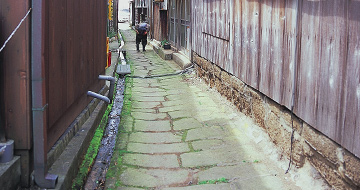
Having been a port since the medieval times, Shukunegi went through the prosperous 17th century brought about by Sado Kinzan Gold Mine, and developed as a kitamaebune port of call for the merchant shipping industry. Facing a small inlet, Shukunegi is characterised by the crowded rows of over 100 houses built with plate walls made from ship planks, and it has been designated as a National Important Preservation Area for Traditional Buildings and Architecture. Three private houses are open to the public (admission charges required), and the entire Shukunegi village represents a history of involvement in ship-related industries.
Minami Sado area -
 View History and Culture Nature and Best Views
Yajima and Kyojima
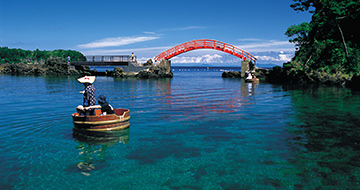
Yajima produces good-quality Japanese arrow bamboo (Pseudosasa Japonica).The arrow which Yorimasa Minamoto, a samurai warrior in 12th century, fired to exterminate nue (a frightening imaginary bird in old stories like chimera) in the Tales of the Heike is said to be made from Yajima-grown bamboo. Kyojima is where Nichiro, a Nichiren (buddhist monk)'s senior disciple, drifted to because of a storm, when he brought a discharge paper for Nichiren, who had been exiled to Sado. Kyojima was named after legend that says Nichiro spent a night reading sutras (経 kyo in Japanese). In the beautiful setting with two islets which a red arched bridge connects, you can take a tub boat ride.
Minami Sado area -
 View History and Culture Nature and Best Views
Benkei no Hasamiiwa
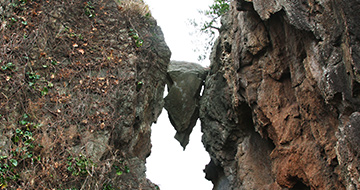
Benkei no Hasamiiwa is a peculiar sight located on seashore in Shimoaikawa, along Prefectural Route 45. A wedge-shaped rock is stuck between two giant rocks. Once upon a time, Sado Benkei and his company mountain priests were making their way to Mount Kinpoku for ascetic training, when a demon appeared in an ambush and requested a contest of strength. Sado Benkei threw rocks in the air, and the rocks are said to be thrown onto the beach in Shimoaikawa. A grave of a consummate governor of Sado, Ichizaemon Shizume adjoins the beach.
Aikawa area -
 View Nature and Best Views
Onogame
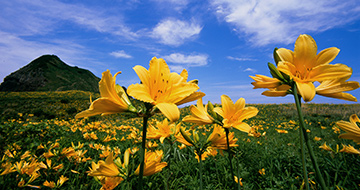
Onogame is a 167-meter high monolith projecting into the sea, and that is a sight to see. The giant rock gained two stars in the Michelin Green Guide Japon. The surrounding area is where amur daylily (Tobishima kanzo) grows in clumps, one million flowers in 500 thousand amur daylily. Many people visit there when yellow flowers come into full bloom. The blooming season is from late May until early June. Every year, the Sado Kanzo Festival is held on the second Sunday of June, when Onidaiko (deity mask dance native to Sado) and folk songs are performed.
Ryotsu area -
 View Nature and Best Views
Osado Skyline
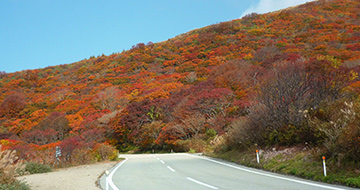
Osado Skyline is approximately 30km-long route for a scenic drive between Kanai and Aikawa. The highest point is above 900m, and you can look over the entire island, from Mano Bay, Ryotsu Bay, Kuninaka Plain to Kosado Mountains. The view from Hakuundai, a rest area with a viewing deck, is stunning. The scenery in each season such as fresh foliage in early summer and red leaves in autumn is a must-see.
Aikawa area、Kuninaka area -
 View History and Culture
Doyu no Warito
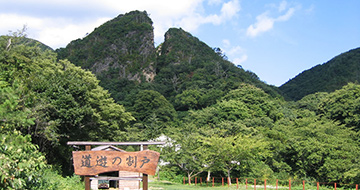
Doyu no Warito is a relic of opencast mining from the Edo Period (1603-1867), which is said to be a pit in the early stages of the development of Sado's gold and silver mines. As the digging went deeper and deeper to extract more gold ore, the mountaintop was split into a V-shape. The crack on the summit reaches approximately thirty metres in width and seventy-four metres in depth. The mountain with the crack holds a mother lode of gold, stretching about ten metres wide, called the Doyu Vein, and after the Meiji Period (1868-1912), large-scale development was carried out under the Warito.
Aikawa area -
 View Sightseeing
Toki Watching Tower and Observation Deck "Toki Terrace"
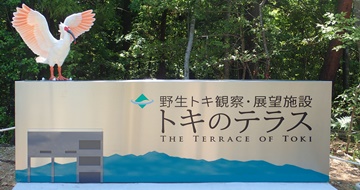
Toki Terrace allows visitors to observe wild toki without disturbing them, and offers a view across Sado's mosaic and lush satoyama landscape. The indoor observation room displays information outlining the efforts to reintroduce toki to the wild, as well as the bird's ecology and habitat. Stuffed actual tokis, which used to live in the wild, are exhibited, too. Telescopes are available and visitors can watch a variety of birds, including toki. From the roof terrace, enjoy a panoramic view: the vast expanse of beautiful rice paddies nurturing all living things in the Kuninaka Plain, and the distant Osado Mountains around Mount Kinpoku, the tallest mountain on Sado Island.
Kuninaka area -
 View History and Culture
Myosenji Temple
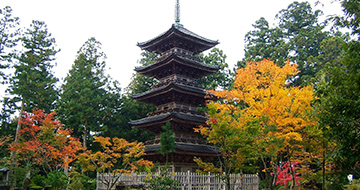
Tamemori Endo (Abutsubo Nittoku Shonin) served Nichiren upon being exiled to Sado and became an avid believer of the Hokke mantra. Together with his wife, Sen-nichini (a Buddhist nun), he opened his residence as a temple in 1278, and this is said to be the origin of Myosenji Temple. The temple used to be a residence of the Takeda Honma clan, deputy governor of Sado, and the ambience of a castle still remains. On site stands the only five-story pagoda in Niigata Prefecture, as well as the grave of Suketomo Hino, who was forced into exile on Sado after the Shochu Incident.
Kuninaka area -
 View Sightseeing Nature and Best Views
Senkakuwan Ageshima Yuen
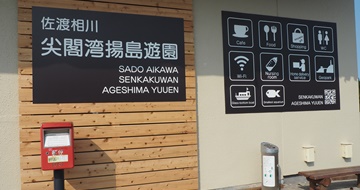
Senkakuwan Ageshima Yuen is a tourist attraction of Ageshima Kyowan (narrow bay), the fifth most scenic spot at Senkakuwan Bay. From the observation deck, you can enjoy a dynamic, panoramic view. The surrounding area is a marine park, designated as one of Japan's 100 Scenic Foreshores. You can also enjoy a cruise around the bay, and the underwater world, aboard a glass-bottom boat (for a fee). On site, there are also an aquarium, which is home to fish found in the sea surrounding Sado, and a resource centre, which displays panels about a famous Japanese film, "Kimi no Na Wa" [What is Your Name?
Aikawa area -
 View Nature and Best Views
Futatsugame
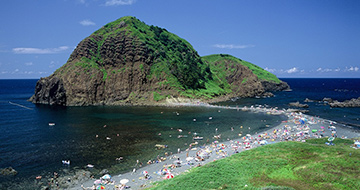
Futatsugame resembles two turtles nestling closely and the scenery changes according to the tide. The water around Futatsugame is the clearest in Sado, and Futatsugame Bathing Beach has been selected as one of the Top 100 Sea-Bathing Spots in Japan. Futatsugame is also listed with two stars on the Michelin Green Guide, along with Onogame.
Ryotsu area -
 View History and Culture
Watatsu Shrine
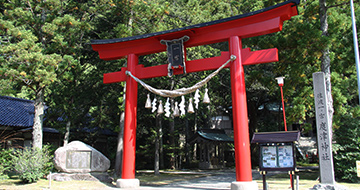
Watatsu Shrine is dedicated to Isotakeru, a god of Japanese Shinto, and it is worshipped by islanders as a god of traffic safety. This is one of the nine shrines listed on the shrine register of Engishiki (Regulations of the Engi era), and a high class shrine called Ichinomiya. It is said that its precinct, old documents, etc. were flooded out in 1470 and as a result the shrine was relocated to where it stands now. Its origin and history is not clearly known. Watatsu Shrine is a famous spot for the first shrine visit of the New Year, and many islanders visit there from all around Sado.
Minami Sado area -
 View Sightseeing
Omiyage Ichiba Ogiya
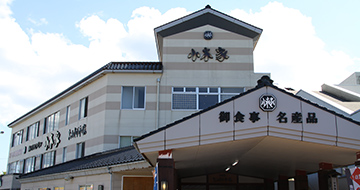
Connected with Sado Kisen's Ogi Port Terminal, Ogiya is a shopping centre offering a great selection of Sado specialties. The selection includes sea products, traditional crafts and famous confectionery. The cafe/restaurant offers a wide variety of menu options, such as kamameshi (rice cooked in a pot) with fresh seafood and set meals. Their specialty menu is "kamameshi with squid". The sumptuous dish consists of "Toki to Kurasu Sato", special rice recognised by Sado City, which is cooked in special broth, and colourful toppings of seafood including squid, shrimp and scallops, plus bamboo shoots and shiitake mushrooms.
Minami Sado area -
 View Sightseeing
Sea Town Shopping Street
Sea Town Shopping Street is attached to Sado Kisen's Ryotsu Ferry Terminal. Souvenir shops, including Sado Kisen Shoji (0259-27-5673), Ebisu Shoji (0259-27-5007), and Nakamise Kanko (0259-23-3335), are lined up on either side of the street. They offer an extensive variety of Sado souvenirs, such as local sake, seafood, famous confectioneries, crafts, and so on. Yellowtail Curry is served only at Sea Town Shopping Street and enjoys great popularity.
Ryotsu area -
 View History and Culture
Former Aikawa Detention Center
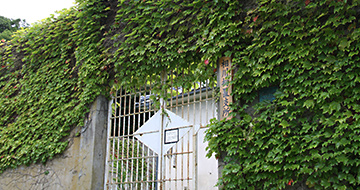
Up the hill on Kyomachi Street in Aikawa, you will see an ivy-covered three-metre high concrete wall. Former Aikawa Detention Center was opened as a branch of Niigata Prison in 1954, and was in use until 1972 when it was relocated in the Sawata area. Designated as Japan's Tangible Cultural Property, this is a wooden detention house still in existence, which is rarely found in Japan. Former Aikawa Detention Center is open to the public and free of charge, so you can take a look around.
Aikawa area -
 View History and Culture
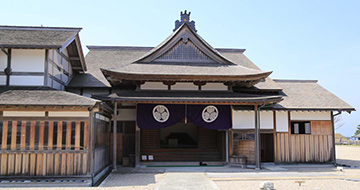
Sado Bugyosho Site (Sado Commisioner's Office)
After the discovery of gold ore veins, Sado was placed under the direct control of the Shogunate (tenryo), and the Sado Commissioner's Office was established in Aikawa in 1603. Among the vast facilities that were used to house the Commisioner's residence, the section of the Oyakudokoro (administrative office) was restored in 2000. In addition to judicial and administrative offices such as Yakudokoro and Shirasu (court of law with white sand), the Office functioned as Yoseseriba (a place for gold refining and grading), which is quintessentially Sado's, and has, also, been faithfully restored.
Aikawa area -
 View Nature and Best Views
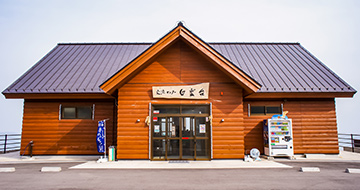
Exchange Centre Hakuundai
Hakuundai is a lodge-style building standing at about 850 metres above sea level. The viewing terrace offers a stunning panoramic view across Sado, including Ryotsu Bay, Kuninaka Plain and Ogi Peninsula. At the souvenir shop inside the building, you will find Sado specialties, such as "Okesa persimmon butter", "fig jam", and "wild grape wine". Curry over rice with the Island's black Berkshire pork, and soft ice cream made from fresh cream are special menu items at the light meal corner. Hakuundai is closed for winter as Osado Skyline will be closed due to snow.
Kuninaka area -
 View History and Culture
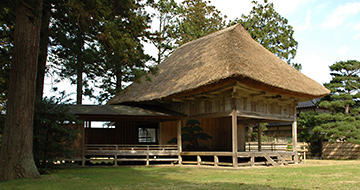
Daizen Shrine
Daizen Shrine sits in a rustic setting resembling the landscape of Asuka in Nara Prefecture. Honma Yamashironokami, the manor's lord, initiated the enshrinement of Suketomo Hino (an exiled court noble) and Daizenbo (an ascetic hermit) together, while Miketsuokami (the god of food) is enshrined at the main building. When Kumawakamaru, the son of Suketomo Hino, came over to Sado to revenge his father's death by execution, Daizenbo helped him escape and was, consequently, executed. This shrine reputedly houses Daizenbo in order to calm his revengeful ghost. Reconstructed in 1846, the Noh stage with its thatched and hipped roof (designated a Niigata Prefecture Tangible Folk Cultural Asset), is one of the four Noh stages in the Kuninaka area where Noh performances were regularly held. It is said to be the oldest Noh stage still in existence in Sado. At present, Noh performances are offered at a festival on the 18th of April; and in June, Noh and Sagi School's Kyogen performances take place.
Kuninaka area -
 View Nature and Best Views
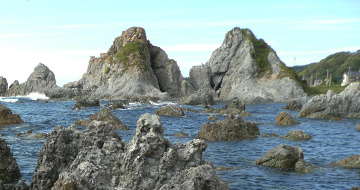
Meotoiwa Rocks
Meotoiwa is two gigantic rocks considered to originate from a Japan's creation myth in an ancient book "Kojiki (Record of Ancient Matters)". On the right hand side is "husband" rock (22.6 meters high), and on the left hand side is "wife" rock (23.1 meters high). The rocks stands nestling up together, lapped by waves of Nanaura Coast. The rocks are said to bring luck in finding a partner. The surrounding area is spotted with rocky shores, such as Nekoiwa (Cat Rock) and Hokakeiwa (Sailing Rock) , which are, in Sado, said to originate from a Japan's creation myth.
Aikawa area -
 View Nature and Best Views
Lake Kamo
Lake Kamo, with approximately 17km of circumferences, is the largest one in Niigata Prefecture. Originally, the lake was freshwater, but it was cut open to the sea in the Meiji Period (1868-1912) in order to prevent flooding, and became a brackish lake. There is a promenade and a cycle path along the lake, and you can enjoy scenery with atmosphere, which was depicted in the poetry. In addition, oysters have been farmed in Lake Kamo since 1932.
Ryotsu area、Kuninaka area -
 View Nature and Best Views
Mount Donden
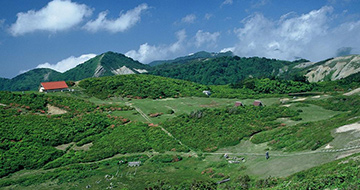
Mount Donden, officially named Mt Tadaramine, is the whole highland area including three mountains above 900m. As the nickname,originated from the word "donden", which means roundtop mountain, indicates, Mount Donden is located at the heart of steep Osado Mountains and solely appears with modest inclines among the mountains. The surrounding area is a treasury of alpine plants and wildflowers. Mount Donden is one of the new Top 100 Mountains and TOP 100 Mountains of Flowers in Japan and many trekkers visit there from April towards early Summer.
Ryotsu area -
 View Sightseeing Hands-on Experiences
Sado Gold and Silver Mine Information Center Kirarium Sado
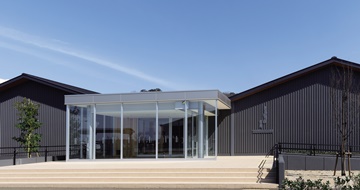
A gateway to the mine, Information Center Kirarium Sado serves as a base for exploring the site. The center will navigate you through the historical value and attractions of the mine in an easy-to-follow manner, using a variety of videos and scroll paintings. The center also utilizes guide maps and apps to provide useful information about the site and to recommend walking routes.
Aikawa area -
 View Nature and Best Views
Osawato-ishina natural cedar (Cryptomeria japonica D. D.)
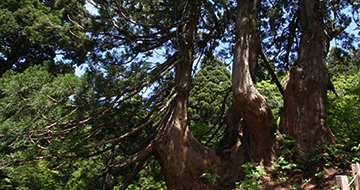
The Ishina Natural Cedar Circuit Trail is an easy way to enjoy the natural cedars at an elevation of around 900 meters. Along the 650-meter-long trail, named by the public, giant trees such as "Ivory Cedar" and "Hagoromo Cedar" are stretching their branches. The strong winds and fog have caused the oddly shaped cedars, which are not suitable for timber, to remain uncut. Some of the trees are over 300 years old.
Aikawa area